
Imagine loaning a deadbeat roommate twenty grand for a used Honda Civic and when you ask for the money back, he just shrugs and turns up the TV. You would probably lose your mind.
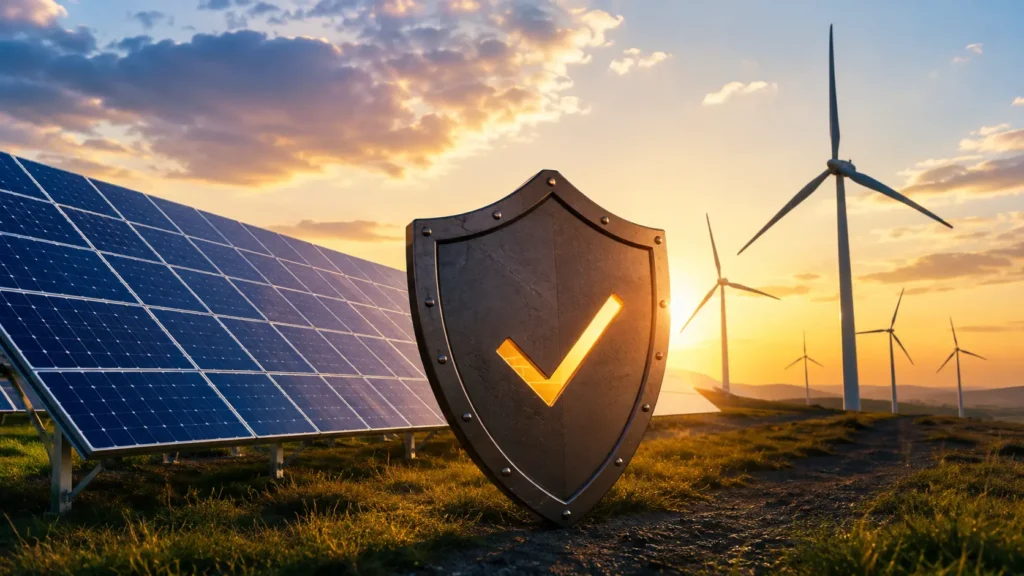
For independent power producers in India, this financial nightmare was standard business with state utilities. The relentless stress these generators face is exactly why investors keep debating the safety of Solar and Wind Sellers in the Renewable Energy sector under the new LPS regulations. They want absolute reassurance that doesn’t really exist.
The Ugly Reality of Renewable Energy Payments Before LPS
Let’s look at the financial bloodbath leading up to the regulatory crackdown. In 2022, state distribution companies (Discoms) were sitting on a staggering ₹1.39 trillion in overdue bills.
Solar and Wind Sellers were exceptionally vulnerable to this grid-level extortion. Thermal plants can simply stop buying coal when funds dry up, but green developers front absolutely massive capital for their physical hardware.
Once panels are bolted down (and the heavy debt is incurred), they have zero fuel costs to adjust. If a state buyer defaults, developers just sit there bleeding cash. The government realized the Renewable Energy transition would collapse without intervention, sparking the creation of the grating Late Payment Surcharge, or LPS, framework.
How Strict LPS Rules Kept Solar and Wind Sellers Safe
The Ministry of Power didn’t just ask nicely. They brought a massive regulatory hammer down on the states. Under the LPS rules, Discoms failing to maintain proper letters of credit or missing payment deadlines were entirely cut off from the national power grid. The aggressive threat worked beautifully.
By early 2026, those catastrophic legacy dues plummeted from ₹1.39 trillion to barely ₹3,300 crore. Solar and Wind Sellers were finally getting paid on time instead of waiting 14 months for a single invoice to clear.
The harsh mechanics of this mechanism forced bankrupt states to prioritize their Renewable Energy bills over everything else. The bleeding finally stopped.
The Reason Solar and Wind Sellers Are Still Sweating
Here is the uncomfortable truth that bureaucrats absolutely hate admitting. Putting a premium band-aid on a shattered femur doesn’t mean the patient can run a marathon. Yes, the LPS regulations stopped the immediate hemorrhaging, but the Discoms are deeply sick.
State utilities are currently running at dismal Aggregate Technical and Commercial losses hovering around 15 percent in 2026. Forcing them to pay on time doesn’t magically generate money they do not have.
This creates a terrifying undercurrent of risk for Solar and Wind Sellers banking on 25-year purchase agreements. The state governments are artificially propping up their Renewable Energy commitments while their core infrastructure rots from power theft and heavy political subsidies.
Will LPS Keep Renewable Energy Profitable Long Term
The regulatory leash is incredibly tight right now, but paper armor only holds up until the money completely runs out. The federal government can threaten to cut off grid access all they want, but no politician is actually going to plunge fifty million people into darkness over a missed turbine invoice- it is just political suicide.
That is the core weakness of the LPS system. It relies heavily on a doomsday bluff. Solar and Wind Sellers are definitely safer today, and Renewable Energy targets are moving forward.
But building a multi-billion dollar green grid on top of bankrupt utilities is like building a skyscraper on a swamp. You just have to hope the ground holds.