
The global economy in 2026 is in a broken & unpredictable clutter. Geopolitical tensions are redrawing international Trade maps overnight. Fierce Tariff wars are the new normal, and global Supply chains are scattering.
Looking at this chaotic market, anyone tracking global finance might ask why is FDI so very important for developing countries today. The answer is simple.. economic survival.
It is no longer just about multinational corporations crossing borders to chase the cheapest factory labor. Today, foreign direct investment serves as a crucial, non-debt financial lifeline.
Emerging markets absolutely need this capital influx to survive rapid technological shifts and aggressive climate mandates without collapsing their fragile national budgets.
Fueling Digital Transition of Developing nations with FDI
Tech-driven capital is moving faster than ever. Looking at recent investment flows, global capital is heavily skewed toward establishing digital infrastructure.
We are talking about next generation AI research hubs, huge Data centers, and advanced Semiconductor assembly lines. Developing nations desperately need a piece of this action.
Without foreign capital stepping in to fund these billion dollar facilities, emerging Economies risk being permanently locked out of the 2026 tech race. It goes beyond just the money.
It is primarily about crucial technology transfer. When foreign Tech giants build local infrastructure, they bring advanced engineering skills and proprietary knowledge that domestic markets cannot generate on their own.
How FDI Bridges the Big Infrastructure Gap in Developing Countries
Then there is the jarring reality of modernization. Developing economies face big pressure to meet strict international Climate goals while still trying to keep the lights on.
Building major utility-scale Solar farms, EV battery plants, & Green hydrogen facilities costs jumbo amount of money.
Local governments are already stretched incredibly thin by inflation. Foreign direct investment acts as the heavy-lifting capital here. It builds these green public works and creates thousands of local jobs without strapping developing nations with crippling sovereign debt.
Instead of taking out high-interest Loans from global lenders, these Countries get equity-driven Investments that actually generate sustainable economic growth.
Protecting Developing Countries against 2026 Supply chain Shocks
Ongoing trade tensions are forcing companies to ditch centralized production models. The corporate rush toward nearshoring and friendshoring means supply chains are being completely rewired to prioritize security over sheer cost efficiency.
Attracting FDI right now is a highly effective defensive strategy. It strategically integrates developing nations into these newly formed, resilient global supply networks.
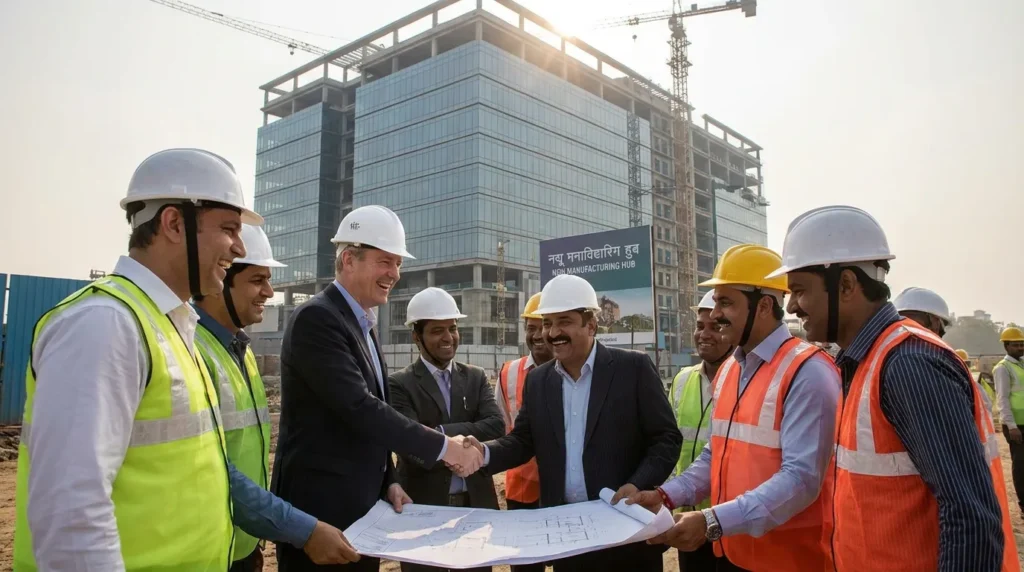
When a foreign corporation pours hundreds of millions into a local manufacturing hub, they lock that specific country into their global ecosystem.
This investment acts as a powerful economic shield. These nations transform from vulnerable bystanders into indispensable partners in the global trade machine.
The True Power of Foreign Direct Investment Today
Ultimately, this is not just about foreign dollars passively sitting in a local bank account. It is the absolute catalyst for leveling up on a highly competitive global stage.
Capital flows aggressively dictate which countries modernize and which get left behind. Securing this investment means building a resilient, tech-forward economy that can actually withstand the inevitable economic shocks of the coming decade.
Developing nations that capture this money right now are literally buying their way into the future.