
We walked blindly into a strategic trap. Policymakers spent years cheering for green roads, but they did it by shipping in foreign battery cells.
By 2025, it was painfully plain our Grand electrification push was trading an old reliance on Middle Eastern oil for a dangerous dependency on Chinese lithium. That paradox forced an awakening.
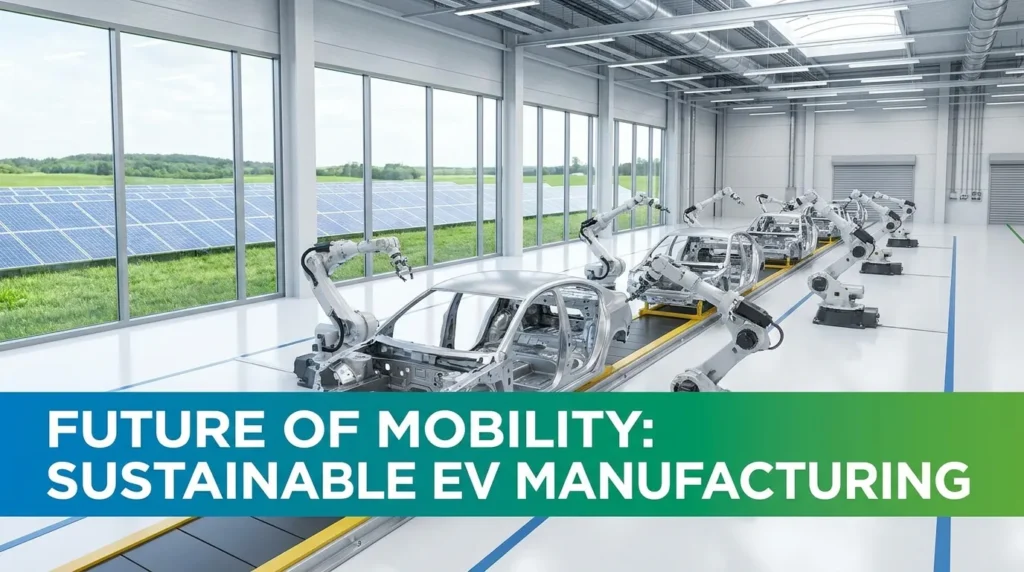
We had to completely abandon the import model and actually make things here. That realization completely transformed the EV FDI policy in India, shifting the government from handing out easy subsidies to demanding hard physical infrastructure.
They finally admitted that slashing taxes for buyers didn’t create a real EV industry. It just funded someone else’s. So they tore up the old playbook.
The Breaking Point for India and Its Import Addiction
The numbers coming out of early 2026 were eye opening. EV sales broke records, hitting 2.5 million units by the fiscal year’s end, but that explosive growth exposed a terrifying flaw in the supply chain.
In 2025 alone, we brought in 8,000 MWh of Battery packs from outside our borders. We were bleeding Capital just to keep the lights on. That trade deficit was the exact moment the government stopped smiling at Foreign automakers.
They knew the old EV FDI policy was far too soft, allowing global giants to just import finished cars without committing to the country. The realization hit like a freight train.
If we didn’t force these Companies to actually make their components here, India faced an economic disaster disguised as a Green revolution. Boom. The entire strategy pivoted.
Rewriting the EV FDI Policy to Force Local Roots
Enter the SPMEPCI. This wasn’t just a policy update; it was a strict ultimatum. By mid-2026, the mechanics of this aggressive new EV FDI policy were operating at full throttle.
The government flat-out told foreign brands they could have a massive tax break- dropping customs duties from 100% down to 15% on premium cars over $35,000- but only if they brought real money.
They had to drop a minimum of $500 million into physical domestic factories. No more loopholes. You want the market? You have to make the cars here.
The deadline is rigid- achieve 50% domestic value addition within five years. It was a ruthless move designed to choke off the endless import pipeline. The era of treating India as a giant showroom for an imported EV was officially dead.
Will the Make Mandate Forge a New EV Era
Out on the ground right now, the friction is incredibly real. You can see the brutal tension between the entrenched oil lobby and the aggressive manufacturing targets set by the PM E-DRIVE scheme running through 2026. NITI Aayog is pushing hard to move past temporary subsidies, but the political economy is messy.
The revised EV FDI policy looks brilliant on paper, yet foreign brands are still weighing whether it makes financial sense to stay. They are staring at that strict make mandate and calculating the cost of building a local supply chain versus riding out the tariff windows.
We sit at a terrifying tipping point. Either these global manufacturers sink deep roots into India and stop relying on an import crutch, or they bolt the second profit margins shrink. There is no middle ground left for the EV market.