
In May 2026, the Indian aerospace sector officially stopped playing it safe. A $60 million cash injection from international heavyweights just minted the country’s very first space-tech unicorn, pushing its valuation to a massive $1.1 billion.
Tracing the jump from a cramped Hyderabad garage to global FDI dominance- the Skyroot story so far- feels less like sterile corporate history and more like a high-speed, reckless gamble that actually paid off. This wasn’t a slow, comfortable climb. It was a violent upward thrust.
Launching the Skyroot Story From a Scrappy Hyderabad Garage
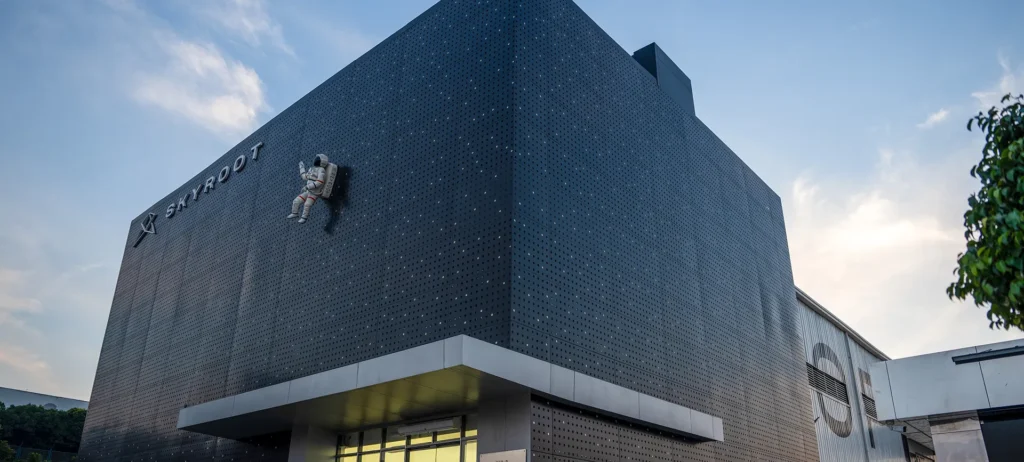
The reality of 2018 wasn’t glamorous. Pawan Kumar Chandana and Naga Bharath Daka walked away from the absolute iron-clad job security of ISRO to build rockets in a small, messy Kondapur garage setup in Hyderabad.
No massive, sterile assembly lines. No limitless Government budgets to bail them out of bad design choices. Just a ten person crew packed into a substitutive Workspace, drinking bad coffee & trying to figure out how to build a private Space program from scratch. A completely unhinged idea honestly.
Except it actually worked.
By 2022, they did Vikram-S launch and effectively bullied their way into history books as the first Indian private rocket to reach space. But surviving the tortuous physics of suborbital flight was only half the battle.
They needed serious cash to scale, and domestic grants simply weren’t going to cut it against international behemoths. To engineer the big Vikram-1 orbital Rocket, the Skyroot team necessitated an inrush of FDI. And the timing couldn’t have been more perfect.
How Global FDI Ignited the Skyroot Space Engine
The real turning point wasn’t just engineering. It was bureaucracy finally getting out of the way. When India relaxed its space sector regulations in 2024 to allow up to 49% automatic FDI in launch vehicles, it cracked the financial floodgates completely open.
Government handouts alone simply couldn’t fund the ridiculous, burn-it-to-the-ground costs of orbital mechanics. Skyroot knew this. They needed deep pockets, and the new foreign capital delivered.
By May 2026, Sherpalo Ventures, GIC of Singapore, and BlackRock dumped a staggering $60 million into the company’s lap. This wasn’t just a polite nod of approval from international venture capitalists.
It was an combative high-stakes bet on the scrappy Hyderabad based team. With a $1.1 Billion valuation locked in, the Company suddenly had financial power to fastly scale Manufacturing for the Vikram-1 & fast-track the advanced cryogenic powered Vikram-2. Money talks. In this case, it builds Rockets.
Skyroot Secures the Ultimate Global FDI Unicorn Crown in Hyderabad
You can talk about pitch decks and billion-dollar valuations all day long, but cash doesn’t go to space. Metal does. And right now, the actual hardware is sitting at the Satish Dhawan Space Centre.
The fresh wave of FDI didn’t just buy them a fancy unicorn status; it bought them the runway to actually compete in a notoriously unforgiving industry. The 23 meter Vikram-1 is amply integrated at the Sriharikota launchpad.. waiting for its maiden flight.
Skyroot isn’t making vague, preachy promises about democratizing space or exploring the cosmos for the good of humanity. They are building a high-cadence, profit-generating delivery service for small satellites right out of Hyderabad.
If the upcoming orbital flight succeeds, they immediately become the go-to commercial launch provider in the hemisphere. If it fails, they sweep up the charred debris and use their massive war chest to build the next one. That’s the tactless reality of the business.